The Bank of England cuts rates to 3.75% for the fourth time in 2025. Markets react as economists debate the pace of rate cuts in 2026.
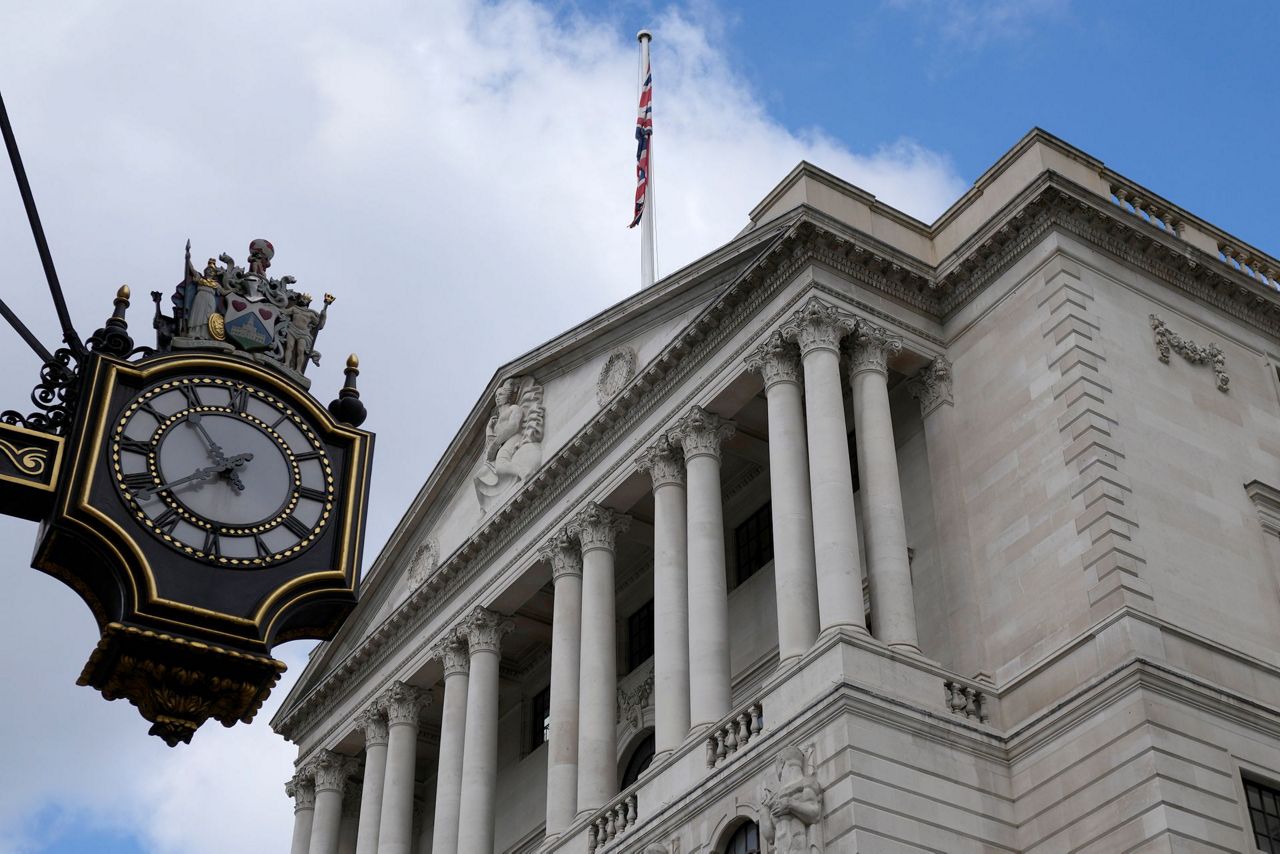
Bank of England Cuts Rates to 3.75% as 2026 Outlook Divides Markets
KEY HIGHLIGHTS
| 1. Bank of England cuts rates to 3.75% |
| 2. Fourth interest rate cut in 2025 |
| 3. Economists split on further 2026 easing |
Bank of England delivers fourth cut, sparks 2026 debate
The Bank of England (BoE) delivered a widely anticipated interest rate cut on Thursday, lowering its benchmark rate from 4% to 3.75%, marking the fourth reduction of 2025 and offering a timely boost to UK households and businesses ahead of the Christmas period.
The decision, approved by a majority vote of the Monetary Policy Committee, reflects growing confidence that inflationary pressures are easing, allowing policymakers to continue unwinding the aggressive tightening cycle launched in response to post-pandemic price shocks. The move is expected to reduce borrowing costs, ease pressure on mortgage holders, and support consumer spending during a critical retail season.
In its statement, the central bank acknowledged that inflation has continued to move closer to its 2% target, while economic growth remains fragile. Recent data points suggest slowing momentum in the UK economy, with consumer confidence under strain and business investment still cautious amid global uncertainty.
The BoE’s rate cut aligns with a broader global trend, as central banks across advanced economies begin shifting from restrictive policy toward measured monetary easing. However, officials were careful to emphasize that future moves will remain data-dependent, especially as wage growth and services inflation remain areas of concern.
Economists are divided over what comes next. Some analysts believe the central bank has room for two or more rate cuts in 2026, particularly if inflation continues to cool and economic growth weakens further. Others caution that persistent geopolitical risks, energy price volatility, and resilient labor markets could limit how far and how fast rates can fall.
“For consumers, this cut provides short-term relief,” said one UK economist. “But the bigger question is whether the Bank of England is confident enough to sustain easing through 2026 without reigniting inflation.”
Financial markets reacted calmly, having largely priced in the decision. Sterling showed limited movement, while UK government bond yields edged slightly lower, signaling investor expectations of a gradual easing cycle rather than aggressive cuts.
For households, the impact could be significant. Variable-rate mortgage holders may see immediate reductions in monthly payments, while fixed-rate borrowers could benefit as lenders adjust pricing expectations. Businesses, particularly small and medium-sized enterprises, may also gain improved access to credit as financing conditions loosen.
As 2025 draws to a close, the Bank of England’s final policy move sends a clear signal: the fight against inflation has entered a new phase, but the path forward in 2026 remains uncertain and highly sensitive to incoming economic data.